
Aviation Adventures — A Complete, Continuous, Inspiring Journey into the World of Flight
Aviation begins with wonder. Long before people understood science, before engines existed, humans looked at birds and imagined what it would feel like to lift off the ground and join them. Today, we fly across oceans, climb above storms, cross continents in hours, and do it all so smoothly that passengers sip coffee while cruising at 40,000 feet. But behind this ease is a world rich with knowledge — a blend of physics, weather, rules, navigation, discipline, and skill. This is the world that this chapter will open for you.
Flying is not simply controlling a machine. It is understanding the sky. It is learning how air moves, how clouds form, how engines breathe, how to navigate through an invisible world, and how to make decisions with calm confidence. Aviation is a partnership between the pilot and the atmosphere. When you understand that partnership, flight becomes a natural extension of thought.
Let us begin this journey together — gently, smoothly, as if lifting off the runway at dawn.
The Living Machine: How an Airplane Lives and Breathes
An airplane may look like metal and bolts, but once you understand it, it begins to feel alive. Every part has a purpose. The wings curve gracefully, shaping the air so that moving forward creates lift. The air flowing over the top moves faster than the air below, and this tiny difference in pressure pushes the airplane upward. It is astonishing how such a subtle concept can support massive airliners or small training aircraft with equal reliability.
The tail keeps the airplane balanced, preventing it from drifting or wobbling. The ailerons, rudder, and elevator respond to the pilot’s hands and feet, translating small motions into smooth turns, climbs, or descents. When you bank the aircraft, you feel it lean like a bird turning mid-flight — not abruptly, but with gentle certainty.
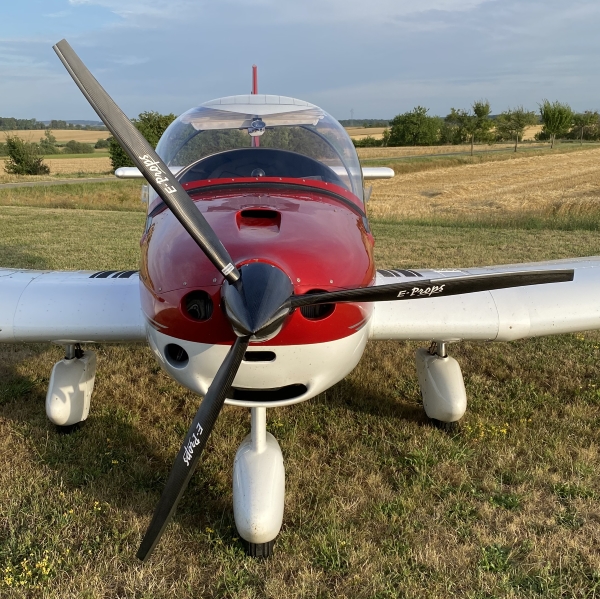
The engine is the heart. A little training airplane uses a piston engine, humming steadily like a trusted companion. Larger turboprops spin their propellers with turbine power. Jets compress air, ignite it, and release enormous thrust. These engines are designed not just to be powerful but to be dependable at all times. They work in cold air at altitude, in rain, in heat, day and night.
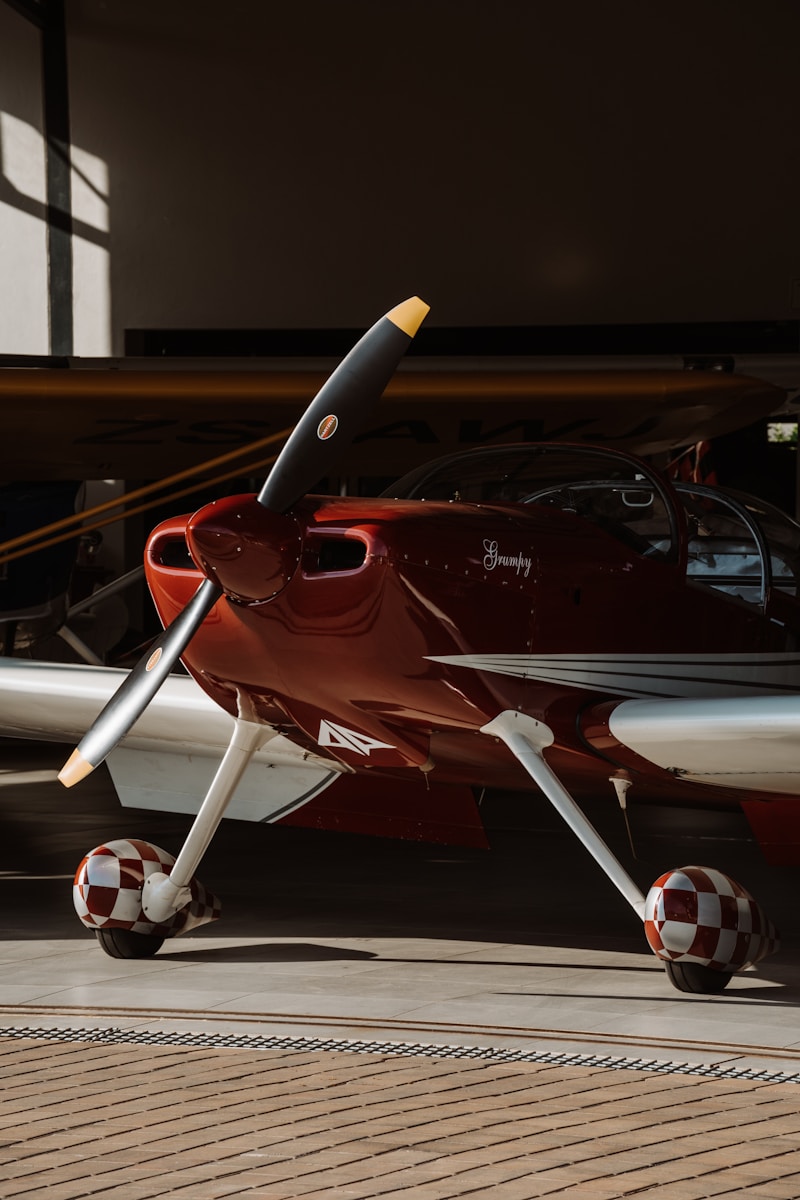
When the engine starts, the airplane feels like it wakes up — the propeller spins, air flows over the surfaces, and the aircraft becomes a creature ready to leap forward. As the pilot eases the power in, the wings begin to lift, the wheels lighten, and soon the airplane is no longer bound to the earth. It rises into its natural element.
Rules in the Sky — How Order Creates Safety
Unlike roads, the sky has no painted lines. There are no traffic lights, speed signs, or lanes. Yet thousands of airplanes move every hour around the world without chaos. This harmony comes from a system of rules that every pilot follows — a universal language of the sky.
Right-of-way rules ensure that when two aircraft approach each other, both pilots know instantly how to react. If two aircraft face each other head-on, both turn right. If one aircraft overtakes another, the overtaking one moves aside. If an airplane is lower and closer to the runway, other aircraft respect its position. These rules are simple, but they prevent confusion and collisions.
Around an aerodrome, you find an invisible pattern called the circuit. Aircraft approach at a certain height, turn at subtle but defined places, announce their intentions on the radio, and fit together like pieces of a moving puzzle. A pilot joining this pattern knows exactly what to expect from others — where they are turning, how fast they are moving, and what they plan to do.
Communication is another part of these rules. Pilots don’t say “I’m going to land now.” They say, “Final, Runway 27, full stop.” Every word matters. Clear language means fewer misunderstandings. The flight deck becomes a place of calm precision.
Airspace is organized too. Some airspace requires communication with controllers who guide aircraft with radar and instructions. Other airspace allows pilots to self-coordinate. Special areas may be restricted for safety or military training. Though invisible, airspace boundaries are as real to pilots as the edges of a runway.
These rules are not there to limit pilots — they are there to give them confidence. When everyone plays by the same rules, flying becomes beautifully predictable and safe.
The Sky’s Personality — Understanding Weather as a Pilot
Weather is the soul of the sky. It determines whether the day will be calm or turbulent, clear or cloudy, gentle or dangerous. A pilot learns to read the sky the way a sailor reads the sea.
The atmosphere is a layered world of gases that behave differently at different altitudes. In the lowest layer, where we live and fly most often, temperature, humidity, and pressure dance together to create every weather phenomenon you see. Warm air rises, cool air sinks, moisture condenses into clouds, and winds form wherever pressure changes.
Clouds are not random shapes. They are messages. Puffy cumulus clouds form when warm air rises from the ground — these often mean a bumpy ride below, but harmless conditions above. Smooth, grey stratus clouds indicate stable, moist air, bringing drizzle or low visibility. Towering cumulonimbus clouds are the giants — thunderstorm factories where updrafts roar upward, rain cascades downward, and lightning crackles in the shadows.
Winds are another invisible force shaping every flight. A headwind slows your progress over the ground but gives you a gentle landing. A tailwind pushes you forward, shortening travel time but making landing faster and requiring care. Crosswinds push the aircraft sideways, demanding skill as the pilot aligns the airplane with the runway despite the sideways push. Over mountains, wind rolls and waves like water over rocks, creating invisible hills and troughs that can lift the airplane upward or drag it downward. High above the clouds, powerful jet streams help or hinder long flights, shaving hours off journeys or lengthening them considerably.
Thunderstorms are nature’s power unleashed. Inside a thunderstorm updrafts can rise faster than a helicopter, rain can fall with explosive force, and downdrafts can push an aircraft down faster than it can climb. Microbursts — sudden violent downward winds — have caused accidents in the past. For this reason, pilots avoid thunderstorms entirely. Weather radar helps larger aircraft see trouble ahead, but small planes simply respect the sky and steer far around such danger.
Fog is more gentle but equally challenging. It hides the runway from sight, forcing pilots to delay departures or rely on precise instruments. Ice can form on aircraft surfaces in cold, moist conditions, changing the shape of the wings and reducing lift. Pilots learn not just what weather is, but what weather means — how it will affect climb, cruise, landing, and safety.
To the experienced pilot, weather is no longer mysterious. It becomes a familiar language written in cloud shapes, wind direction, air pressure, and temperature changes.
Finding Your Way — Navigation in a World Without Roads
Navigation is the art of knowing where you are, where you’re going, and how to get there safely. On the ground, you have signs and roads. In the sky, you have only your knowledge, your instruments, and your awareness.
A pilot begins with a map. Not the kind you fold in a car, but a special aviation chart filled with symbols and elevations. The pilot draws a line from the point of departure to the destination and calculates the direction. But air is always in motion. If the wind pushes from the side, the aircraft cannot simply point at the destination — it will drift, just like a boat crossing a river needs to point upstream. Pilots identify this drift and angle the nose slightly into the wind to stay on course.
As the flight progresses, the pilot looks for checkpoints on the ground — towns, lakes, rivers, railway tracks, distinctive shapes. Each one confirms that the aircraft is where it should be. This simple method, combined with timing and speed calculations, creates a reliable path.
Beyond visual techniques, aircraft use radio signals. A VOR station on the ground sends out signals like the spokes of a wheel. By tuning into it, the pilot can see which “spoke” the aircraft is on. With two stations, the pilot can pinpoint the exact position in the sky. GPS offers even greater accuracy, showing a moving map with the airplane’s track and estimated time of arrival.
During landings in poor visibility, systems like the Instrument Landing System guide pilots down a precise invisible path to the runway. Even with clouds below, the instruments show whether the aircraft is above or below the glide path. When the runway lights emerge from the mist, the pilot feels the satisfaction of a perfect, controlled descent.
Navigation is not only about not getting lost — it is about being calm, organized, and ahead of the airplane. It turns the endless open sky into a well-understood and structured world.
Airmanship — The Quiet Strength of a Good Pilot
Airmanship is the quality that separates a person who flies an airplane from a true aviator. It is not a technical skill — it is a mindset.
A pilot with good airmanship thinks clearly, plans thoughtfully, and treats flying with both respect and humility. Before a flight, they consider the weather, the fuel, the passengers, and their own energy level. If something feels wrong, they wait, delay, or cancel. A good pilot never lets pride or pressure push them into unsafe decisions.
In the air, airmanship appears as smoothness and awareness. The pilot stays ahead of the aircraft, anticipating what will happen next. If a surprise comes — a sudden wind change, a radio call, or a change in runway — the pilot adapts calmly. They use checklists because they know memory can fail. They communicate clearly because confusion is dangerous. They fly the aircraft with balanced control, never forcing it, never rushing.
After the flight, a pilot with good airmanship reflects honestly. They ask themselves what could have gone better. They learn from small mistakes and grow wiser one flight at a time.
Airmanship is a lifelong journey. It is the spirit of aviation — quiet, steady, responsible, and deeply respectful.